


Legionella Flushing: Everything You Need To Know
MaiLegionella flushing forms an important part of an effective water hygiene programme. Regular flushing helps maintain water movement throughout a system, reduces stagnation, and supports compliance with health and safety guidance such as ACOP L8 and HSG274.
Whether you are responsible for a school during holiday periods, managing an office building with little-used facilities, or overseeing a healthcare environment, understanding how to implement a proper Legionella flushing regime can help protect building users and demonstrate compliance.
What Is Legionella Flushing?
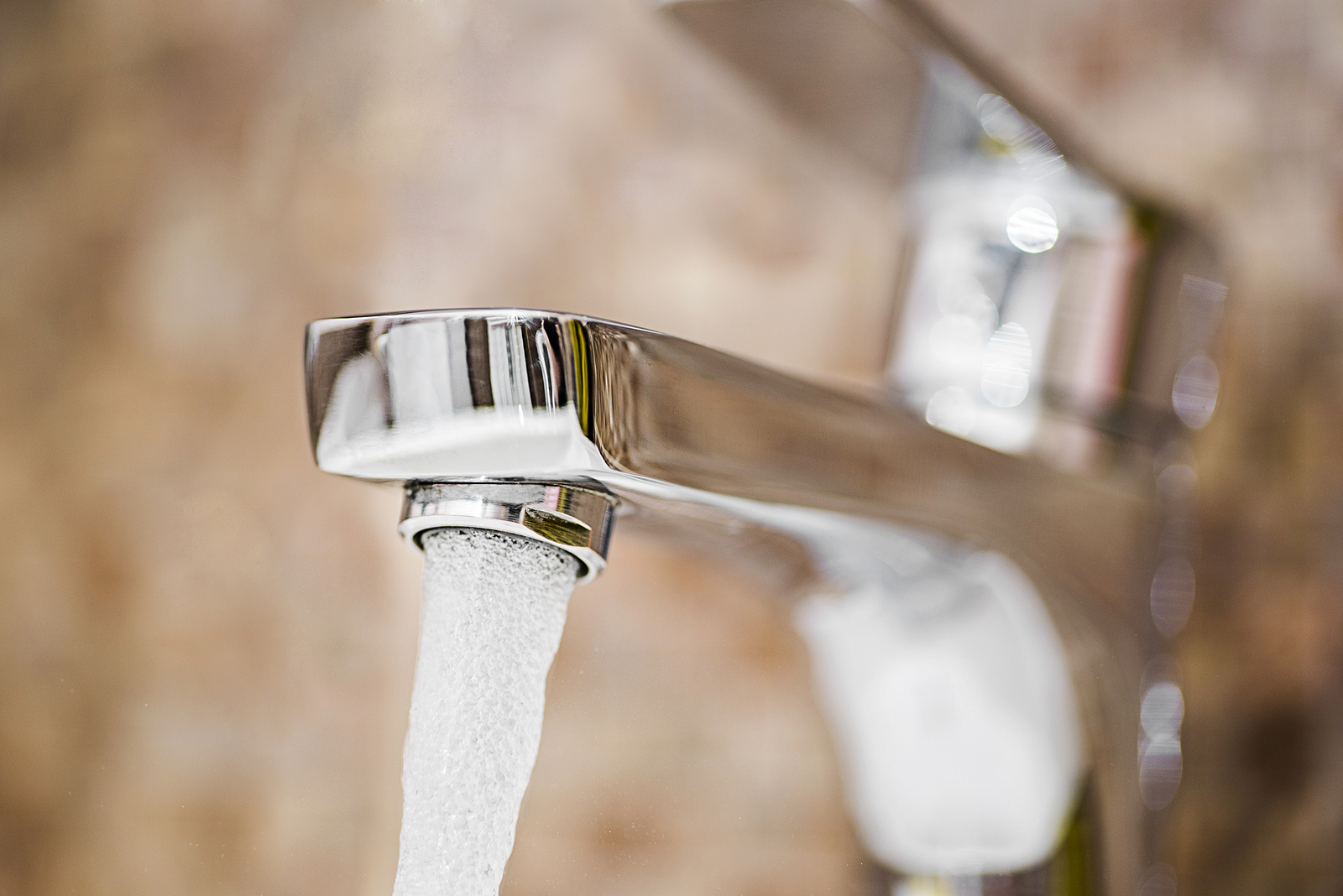
Legionella flushing is the process of running water through taps, showers, and other outlets that are infrequently used in order to remove stagnant water from the system. The aim is to replace old water with fresh water and reduce the conditions that allow Legionella bacteria to grow.
Stagnation is one of the key risk factors associated with Legionella bacteria. When water remains still inside pipework for prolonged periods, temperatures can enter the range where Legionella bacteria thrive. This is especially common in little-used outlets, vacant rooms, seasonal buildings, or premises that experience reduced occupancy.
Where is Legionella Flushing Commonly Used?
You might carry out a Legionella flushing procedure in environments such as:
- Schools and universities during holiday closures
- Offices with hybrid working arrangements
- Care homes and healthcare facilities
- Leisure centres and public buildings
- Hotels and accommodation settings
- Dental practices and healthcare premises
Flushing taps to prevent Legionella is often part of a wider water hygiene management or Legionella Control plan and should always align with a suitable Legionella risk assessment.
The Benefits Of Legionella Flushing
A consistent Legionella flushing regime offers several important benefits for businesses and organisations responsible for water systems. First and foremost, it helps reduce water stagnation. By regularly moving water through little-used outlets, fresh water is introduced into the system, helping minimise the conditions that encourage bacterial growth.
Legionella flushing also supports legal and regulatory compliance. Duty holders are expected to manage water hygiene risks appropriately under ACOP L8 guidance, and regular flushing may form part of the required control measures identified within a risk assessment.
Other benefits include:
- Helping maintain water quality throughout the system
- Supporting temperature control measures
- Identifying maintenance issues early
- Reducing the likelihood of unused outlets becoming problematic
- Demonstrating proactive health and safety management
For organisations managing multiple outlets across large premises, having a structured Legionella flushing regime in place can provide reassurance that water systems are being monitored and maintained appropriately.
Requirements or What You Need For Legionella Flushing
Before carrying out Legionella flushing, it is important to ensure the correct procedures and controls are in place. One of the most important requirements is an up-to-date Legionella risk assessment. This helps identify little-used outlets, determine flushing frequency, and establish any additional monitoring requirements.
You should also have:
- A documented flushing schedule
- A list of outlets requiring flushing
- Trained personnel or responsible persons
- Appropriate PPE where required
- Access to temperature monitoring equipment if applicable
- A Legionella flushing record sheet or digital logbook
It is important that flushing forms part of a wider water hygiene control scheme rather than being treated as a standalone task. The requirements for flushing may vary depending on the building type, occupancy levels, and overall system design. Healthcare settings, care homes, and higher-risk environments may require more detailed procedures and enhanced monitoring.
Do You Need To Keep A Record Sheet For Legionella Flushing?
Yes. Maintaining accurate records is an important part of demonstrating that water hygiene control measures are being carried out consistently.
A Legionella flushing record sheet typically includes:
- Date of flushing
- Outlet location
- Duration of flushing
- Temperature readings where applicable
- Name of the person completing the task
- Any observations or issues identified
These records can prove invaluable during audits, inspections, or investigations. They help demonstrate that the responsible duty holder has taken reasonable steps to manage Legionella risks appropriately.
Many organisations now choose digital reporting systems to simplify compliance management and improve accessibility across multiple sites.
How To Carry Out A Legionella Flushing Procedure
A Legionella flushing procedure should always follow the recommendations outlined within your Legionella risk assessment. However, the general process typically follows several key steps:
Identify Little-Used Outlets
The first step is identifying outlets that are not regularly used. This may include taps, showers, spray taps, or other outlets located in vacant rooms or low-occupancy areas. Buildings that experience temporary closure periods, such as schools during holidays or offices with hybrid working patterns, often have a greater number of little-used outlets.
Flush Hot And Cold Water Systems
Both hot and cold outlets should be flushed separately to encourage fresh water movement through the system. Care should also be taken to minimise exposure to aerosols where possible, particularly when flushing showers or spray-producing outlets.
Run Water For The Appropriate Length Of Time
One of the most common questions businesses ask is about how long to run taps when flushing. The exact duration can vary depending on the building’s risk assessment and water system configuration. In many cases, outlets are flushed long enough to ensure fresh water is drawn through the system and temperature stabilisation has been achieved where required.
The procedure should always align with your documented control measures and professional guidance.
Monitor Temperatures If Required
Some flushing procedures also involve temperature monitoring to ensure hot and cold water systems remain within recommended control limits. Temperature checks can help confirm the effectiveness of the flushing regime and highlight any system performance issues.
Record The Activity
Once flushing has been completed, the activity should be documented using a record sheet or digital reporting system.
How Often Should Taps And Outlets Be Flushed?
In many cases, little-used outlets will be flushed weekly. However, the correct frequency depends entirely on the findings of the Legionella risk assessment and the level of risk associated with the building.
How often should outlets be flushed to prevent Legionella may vary based on factors such as:
- Building occupancy
- Water usage patterns
- System complexity
- Vulnerable users
- Seasonal closures
- Healthcare or high-risk environments
For example, schools may require enhanced flushing before reopening after holiday periods, while offices with low occupancy may need ongoing flushing of rarely used facilities.
A professional risk assessment helps ensure the flushing regime remains suitable for the property and its users.
When To Call In Professional Services
While some businesses manage simple flushing regimes internally, there are situations where professional Legionella support is highly recommended.
This may include:
- Large or complex water systems
- Healthcare environments
- Care homes and supported living facilities
- Buildings with long closure periods
- Persistent water hygiene concerns
- Organisations unsure of their compliance responsibilities
- Premises lacking internal resources or training
Professional Legionella specialists can help ensure flushing procedures align with ACOP L8 and HSG274 guidance while reducing the administrative burden on internal teams.
Why Work With Us?
At Guardian Hygiene Services, we help organisations across the UK manage Legionella risks with confidence.
Known as “The Legionella People”, we provide tailored Legionella services designed around the needs of each individual client. From Legionella risk assessments and flushing programmes to water sampling, monitoring, remedial works, and compliance support, our team works closely with businesses to deliver practical, reliable solutions.
Our experienced team understands the importance of clear communication, responsive service, and accurate reporting. We work in line with ACOP L8, HSG274, and HTM 04-01 guidance to help clients maintain effective compliance across their water systems.
Get the Support You Need
If you would like professional support reviewing your Legionella flushing regime, require a Legionella risk assessment, or need advice on managing water hygiene responsibilities, contact Guardian Hygiene Services today to speak with our team or request a quotation.
