


Health & Safety Responsibilities of Employers
As an employer or person responsible for premises, you have a legal duty to protect the health and safety of those who use your building. This includes managing the risks associated with Legionella bacteria in your water systems.
Workplaces of all types, from offices and schools to healthcare environments and leisure facilities, can present a risk if water systems are not properly managed. That’s why it’s vital to understand your responsibilities and ensure your organisation operates without unnecessary risk.
What Happens If You Don’t Comply?
Non-compliance can result in serious consequences, including fines, prosecution, and reputational damage, particularly if an outbreak occurs. Beyond this, there are clear health risks, and Legionnaires’ disease has the potential to be fatal.
Useful Resources And Guidance
For further information, you can refer to the following official guidance:
Get in touch
What Is Legionella And Why Is It A Risk?
Legionella is a naturally occurring bacterium that can develop in man-made water systems if conditions allow. When inhaled through fine water droplets, it can cause Legionnaires’ disease, a serious and potentially fatal form of pneumonia.
Legionella bacteria thrive in warm, stagnant water, typically between 20°C and 45°C. They are commonly found in:
- Cold water storage tanks
- Hot and cold water systems
- Pipework and outlets such as taps and showers
- Cooling towers and evaporative condensers
Risks of inhaling contaminated water come about when it is dispersed into the air as a fine mist.
While anyone can be affected, certain groups are more vulnerable, including older individuals, those with respiratory conditions, and people with weakened immune systems. In workplace environments, this means your employees, visitors, customers, and members of the public could all be at risk if systems are not properly controlled.

Who Is Responsible For Legionella Control?
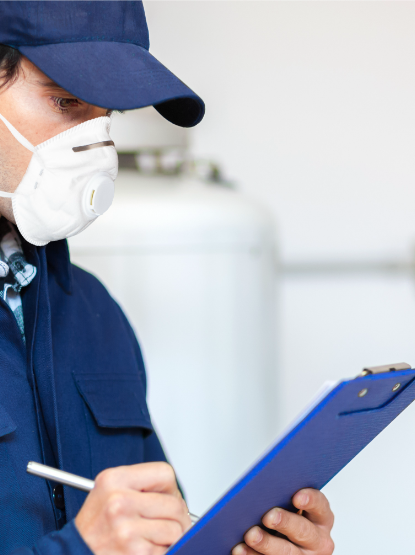
Responsibility for managing Legionella risk sits with the Duty Holder, or the person or organisation in control of the premises.
This may include:
- Employers
- Landlords or property owners
- Facilities or maintenance managers
- Health and safety managers
In some cases, responsibility may be shared, particularly in multi-occupancy buildings or where management is outsourced. However, it is essential that responsibilities are clearly defined and that someone is formally appointed to oversee Legionella compliance.
Legal Responsibilities Under UK Law
Legionella control is governed by a framework of UK health and safety legislation and guidance, including:
- The Health And Safety At Work Act 1974, (sometimes shortened to HASAWA) places a duty on employers to ensure the health and safety of employees and others.
- COSHH (Control Of Substances Hazardous To Health Regulations), which requires the assessment and control of risks from hazardous substances, including Legionella
- ACOP L8 (Approved Code Of Practice), which provides practical guidance on managing Legionella risks
- HSG274 Guidance, which offers detailed technical advice on specific water systems
- HTM 04-01, which applies to healthcare environments and outlines best practice for water safety
- HTM 01-05, which applies to dental practices and outlines best practice for decontaminating reusable instruments
While ACOP L8 and HSG274 are guidance documents rather than law, they are widely recognised as the standard for compliance. Failing to follow them can be used as evidence in legal proceedings.
Key Employer Duties Explained
To remain compliant and manage risk effectively, duty holders must take a proactive approach. Key responsibilities include:
- Identifying Sources of Risk: Understanding where Legionella could develop within your water systems is the first step. This includes tanks, pipework, and any areas where water may stagnate.
- Carrying Out a Legionella Risk Assessment: A suitable and sufficient risk assessment must be conducted to evaluate potential hazards and determine control measures.
- Implementing a Control Scheme: Once risks are identified, a written scheme should outline how they will be managed, including monitoring, maintenance, and responsibilities.
- Monitoring and Maintaining Systems: Regular checks must be carried out to ensure systems remain safe, including temperature monitoring and system inspections.
- Keeping Accurate Records: All monitoring, maintenance, and actions taken must be documented and retained as part of your compliance.
- Appointing a Responsible Person: A competent individual must be appointed to oversee Legionella control and ensure procedures are followed.

Legionella Risk Assessments: What You Need To Do
A Legionella risk assessment is a fundamental requirement for any business or organisation with water systems.
It involves:
- Identifying potential sources of risk
- Assessing who may be exposed
- Evaluating current control measures
- Recommending actions where needed
Risk assessments should be reviewed regularly and updated whenever there are changes to the building, water system, or its usage. This could include renovations, changes in occupancy, or periods of low use.

Legionella Control Measures In The Workplace
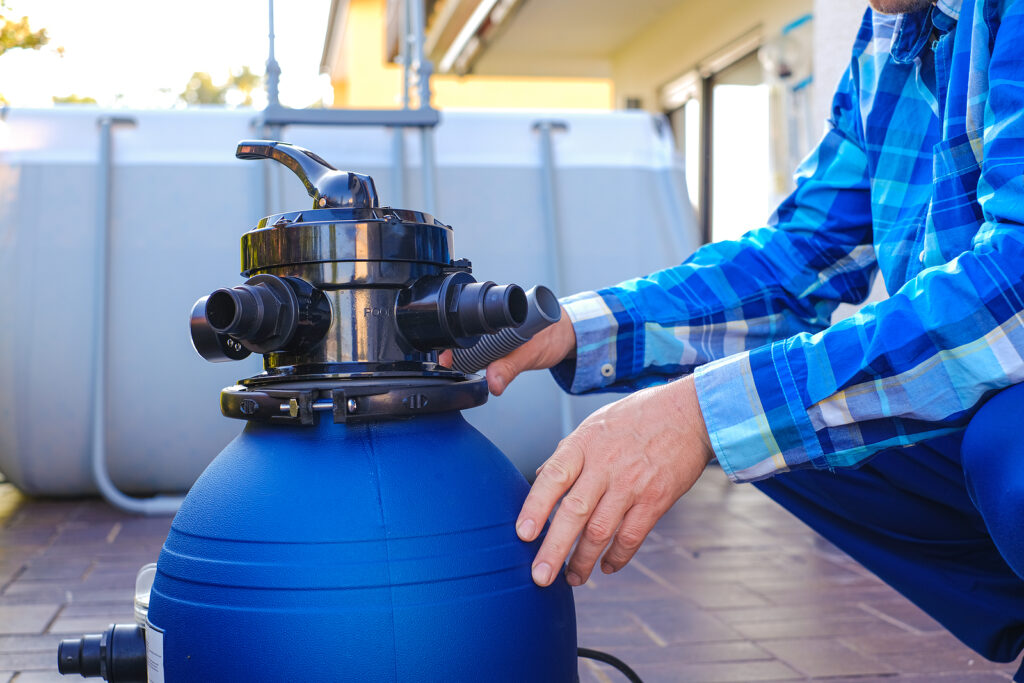
Effective control measures are essential to minimise risk. These typically include:
- Maintaining appropriate water temperatures
- Regular flushing of outlets to prevent stagnation
- Cleaning and maintaining water storage tanks
- Removing redundant pipework (dead legs)
- Carrying out system disinfection when required
Implementing these measures consistently helps ensure your systems remain safe and compliant.
Monitoring, Testing, and Record Keeping
Ongoing monitoring is a critical part of Legionella control. This may include:
- Temperature checks at key points in the system
- Routine inspections of tanks and pipework
- Water sampling where required
Accurate record keeping is both best practice and a legal expectation. Records provide evidence of compliance and demonstrate that appropriate action is being taken to manage risk.

How Guardian Hygiene Services Can Help
At Guardian Hygiene Services, we understand that navigating Legionella compliance can feel complex. That’s why we provide tailored support to help you meet your responsibilities with confidence.
Our services include:
- Legionella risk assessments
- Ongoing monitoring and control schemes
- Water sampling and testing
- Remedial works and system improvements
- Legionella training and certification
We work closely with our clients to deliver flexible solutions, clear reporting, and direct access to experienced professionals, ensuring you have the support you need, when you need it.
We are proud to be The Legionella People, helping organisations across the UK maintain safe, compliant environments.

Take The Next Step
If you’re unsure whether your current processes meet the required standards, or you need support managing Legionella risk, our team is here to help. Contact us to request the services your business needs and get a tailored quote.
